
Porcelain vs Ceramic Tile: Which Is Right for Your Vancouver Home?
They look similar, but porcelain and ceramic tile are very different materials with different strengths. Here's an honest comparison to help you choose the right tile for your Vancouver home.
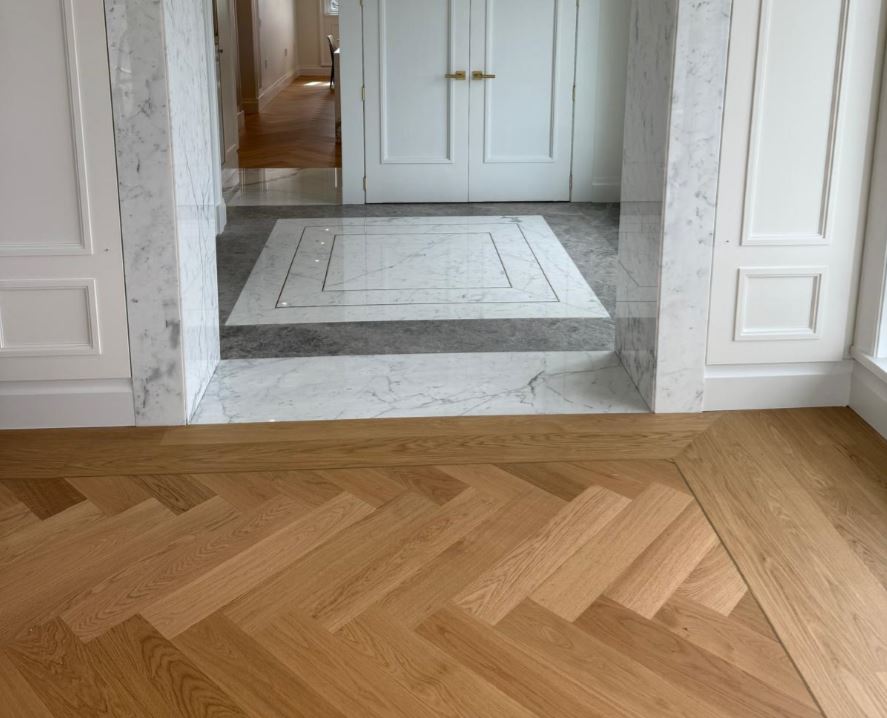
The Fundamental Difference
Both porcelain and ceramic tiles are made from clay and fired in a kiln. The key difference is in the clay composition and firing temperature. Porcelain is made from finer, denser clay and fired at higher temperatures (2,200–2,500°F vs 1,800–2,000°F for ceramic). This creates a much denser, harder, and less porous tile.
The ASTM C373 standard defines porcelain as any tile with a water absorption rate of less than 0.5%. Ceramic tiles typically absorb 3–10% of their weight in water. In a city like Vancouver where moisture is a constant companion, this difference matters enormously.
Head-to-Head Comparison
| Feature | Porcelain | Ceramic |
|---|---|---|
| Water absorption | < 0.5% | 3–10% |
| Hardness (Mohs) | 7–8 | 5–6 |
| Lifespan | 50+ years | 15–25 years |
| Cost (installed) | $10–$22/sq ft | $7–$15/sq ft |
| Frost-proof | Yes | No |
| Outdoor use | Yes | Not recommended |
| Radiant heat | Excellent | Good |
| DIY-friendly | Difficult (hard to cut) | Easier to cut |
| Weight | Heavier | Lighter |
When to Choose Porcelain
For most applications in Vancouver homes, we recommend porcelain tile. Here are the situations where porcelain is clearly the better choice:
- Bathroom floors and walls: Constant moisture exposure demands low water absorption
- Kitchen floors: Spills, heavy traffic, and dropped items require maximum durability
- Entryways and mudrooms: Vancouver's rain means constant wet-shoe traffic
- Outdoor patios: Only frost-proof porcelain should be used outside
- Radiant heated floors: Superior thermal conductivity for maximum efficiency
- Commercial spaces: PEI Class 4–5 porcelain handles heavy foot traffic
When Ceramic Makes Sense
There are situations where ceramic tile is perfectly appropriate and can save you money:
- Backsplashes: Minimal water exposure and no foot traffic make ceramic ideal
- Decorative wall accents: Where moisture isn't a concern
- Light-traffic interior floors: Bedrooms, home offices, or guest rooms
- Budget renovations: When the budget is tight, quality ceramic is better than cheap porcelain
Cost Comparison for a Vancouver Home
| Project | Porcelain | Ceramic |
|---|---|---|
| Bathroom floor (60 sf) | $600–$1,320 | $420–$900 |
| Kitchen floor (200 sf) | $2,000–$4,400 | $1,400–$3,000 |
| Backsplash (30 sf) | $300–$660 | $210–$450 |
| Whole floor (800 sf) | $8,000–$17,600 | $5,600–$12,000 |
Our Honest Advice
We install both porcelain and ceramic tile every week. We'll never upsell you on porcelain where ceramic is perfectly adequate. During your consultation, we'll recommend the best material for each area of your home based on the specific conditions. Get in touch for a free consultation.
Frequently Asked Questions
Is porcelain tile worth the extra cost over ceramic?
For most Vancouver applications, yes. Porcelain's superior water resistance makes it far more durable in our wet climate. It lasts 50+ years vs 15–25 for ceramic, making the cost per year actually lower for high-moisture areas.
Can you tell the difference between porcelain and ceramic tile?
Modern tiles look very similar visually. Key differences include weight (porcelain is heavier), edge colour (porcelain is same colour throughout), sound (porcelain rings higher), and price (porcelain costs 30–50% more).
Which tile is better for Vancouver bathrooms?
Porcelain is the clear winner for Vancouver bathrooms. Its water absorption rate of less than 0.5% (vs ceramic's 3–10%) makes it virtually impervious to moisture. In Vancouver's humid climate, porcelain significantly outperforms ceramic in longevity.
Related Articles
Need Help Choosing?
We'll bring porcelain and ceramic samples to your home and help you choose the right tile for each room. Free consultation, honest advice.
(778) 918-0454